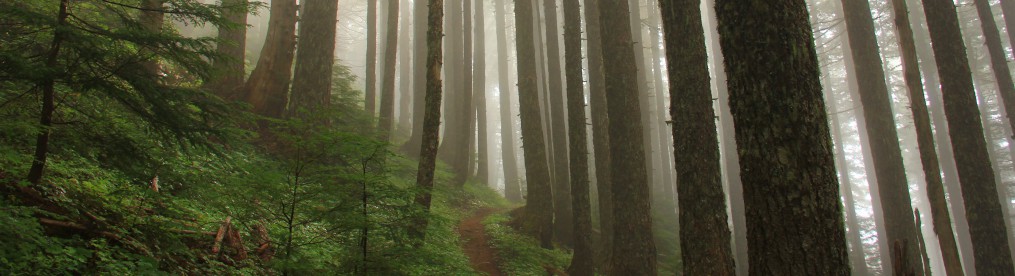
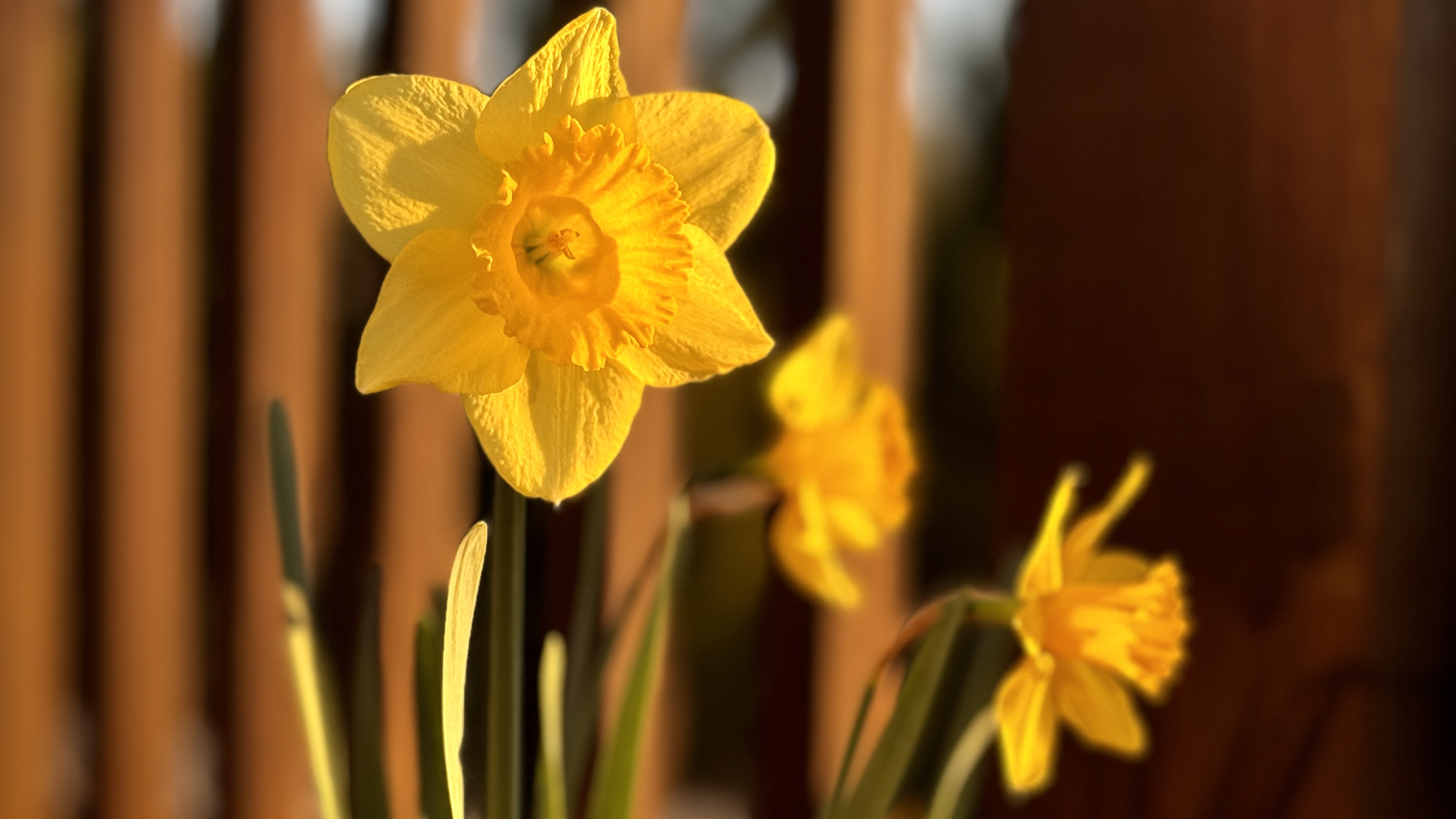
Around March 20th each year, the spring equinox marks a precise point in the Earth’s orbit: day and night come into near alignment, and the sun sits directly over the equator. From here, daylight begins to extend more decisively across the Northern Hemisphere. In North Carolina, that shift is already visible to us. Mornings arrive earlier, afternoons hold their brightness longer, and the sun carries more warmth even when the air has not fully caught up.
On the ground, the season is moving, but not in a straight line. We are experiencing temperatures swing from warm to cold and back again, sometimes within a few days. Redbuds have already passed through their brief bloom, while other trees are only beginning to wake. Birdsong has picked up noticeably, especially in the early morning hours. Frogs are active in wetter areas at dusk. Rain is still needed, and when it comes it feels necessary rather than inconvenient. Then a stretch of warm sun returns and resets everything again. It’s an uneven pattern, but the direction is clear.
Within the Druid tradition, the spring equinox is often associated with equilibrium. It is light and dark held in near parity. In OBOD, that idea is best approached through direct observation rather than abstraction. The equinox is a transition point. Conditions are shifting, but they have not stabilized. The last frost date has not yet passed, even as garden centers and hardware stores begin to fill with early plants. There is a tension between what is emerging and what is still possible and recognizing that tension is part of understanding the season.
Observance does not need to be elaborate. Step outside at sunrise and register the quality of the light. Walk a familiar route and note what has changed over the past few weeks. In the garden, clear a space, ready the soil, make a plan. However, hold back where needed. There is still risk in planting too early but we can prepare for what comes next. The equinox marks a point on the calendar, while the season itself is still unfolding. Paying attention now sets the tone for everything that follows. At Awen’s Light Grove, we celebrate the equinox with ritual, and if you would like to be part of that, use the contact form on this page to get in touch. We would love to hear from you.
/|\ SeanR
 Awen's Light Grove
You must be logged in to post a comment.