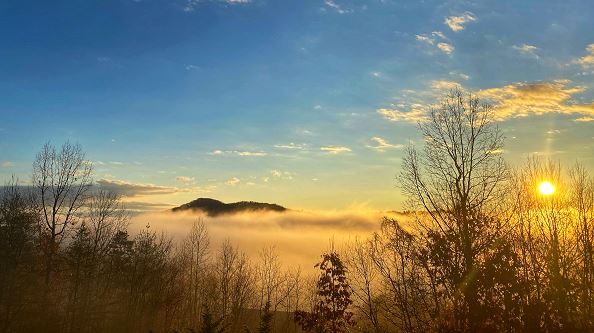
At the Winter Solstice—Alban Arthan, the “Light of Arthur”—the year reaches its deepest stillness. This is the longest night, the moment when the sun appears to stand still on the horizon before beginning its slow climb back toward fullness. For modern Druids, this turning is not only astronomical but profoundly symbolic. It speaks of renewal, endurance, and the quiet strength found in rest. It is a time when in the dark earth seeds are held safe and new beginnings take shape.
Druid celebrations, including our own here at Awen’s Light Grove, center on acknowledging both darkness and returning light. Some will gather before dawn to witness sunrise, and light a fire or candle to greet the newborn sun. Rituals may include storytelling, blessings of the hearth, reflection on the past year, and setting intentions for the one to come. While there can be grand ceremonies at this time of year, for many Druids it is more of a reflective time about presence, gratitude, and inner listening.
Humanity has been honoring this threshold for thousands of years. At Newgrange in Ireland, the rising solstice sun pierces the passage and illuminates the inner chamber with a golden beam—a feat of engineering and devotion older than Stonehenge and the pyramids. Stonehenge itself aligns with the solstice sunrise, while Maeshowe in Orkney frames the sunset. These sites remind us that the returning light has always mattered, anchoring communities to seasonal rhythms long before written history.
You don’t need to be a Druid to celebrate meaningfully. Wake early and watch the dawn. Light a single candle and reflect on what you’re ready to release and what you hope to nurture. Take a winter walk, noticing how the land rests and restores itself. Prepare a warm meal, share stories, or create a small moment of beauty in your home. However you observe the Winter Solstice the Druids of Awen’s Light Grove invite you to pause, breathe, and remember that even in the darkest night, the promise of light is already on the horizon.
/|\ SeanR, Druid
 Awen's Light Grove